
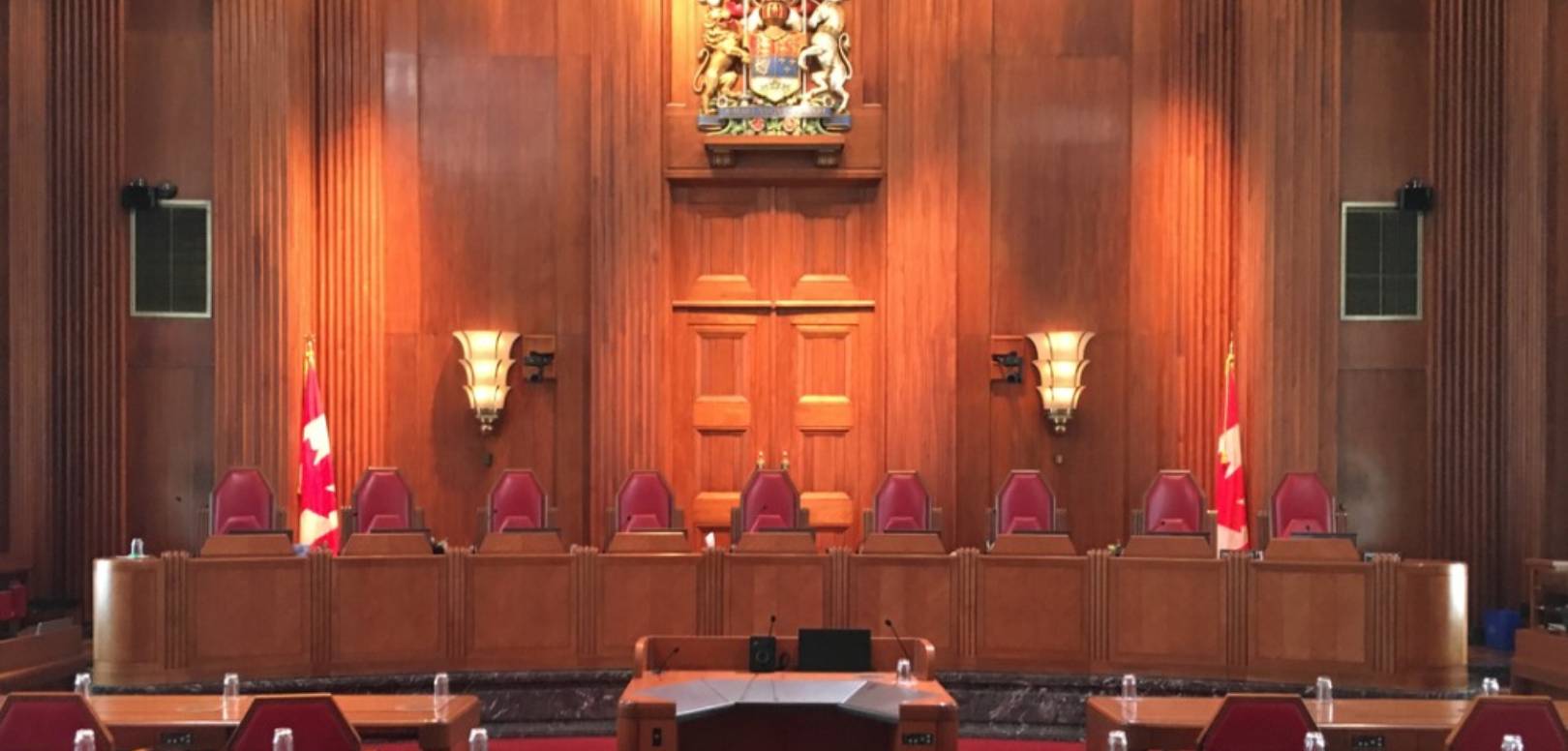
What is the Small Claims Court in Ontario
The Small Claims Court in Ontario is a branch of the Superior Court of Justice that handles straightforward disputes involving money or property. It is designed to be faster, more accessible, and more affordable than traditional litigation, making it a common choice for individuals, landlords, tenants, contractors, and small businesses seeking to resolve legal issues without entering the full court system. Although the process is simplified, it still requires careful preparation, strong evidence, and a clear understanding of the legal steps involved.
Commonly referred to as the “People’s Court”, the Small Claims Court contains simple procedural rules, faster timelines, and lower costs compared to the Superior Courts. However, while the systems may seem accessible, it can still be complex and stressful, especially if you decide to be self-represented.
What is the maximum I can claim for and what for what can I sue for?
Unpaid invoices
Breach of contract
Property damage
Issues with services
Unreturned deposits
Unpaid rent
The court hears a wide range of disputes as long as they fall within its financial jurisdiction. As of October 1, 2025, the appealable amount was further increased from $2,500 to $5,000, and all appeals are heard in the Divisional Court. If your claim falls below the $5,000 threshold, you may not be able to appeal the decision.


How do I start a claim?
Starting a claim begins with preparing and filing a document called a Plaintiff’s Claim (Form 7A). This document outlines your version of events, the amount you are seeking, and the reasons why you believe the defendant is responsible. The accuracy and clarity of this document are critical, as it forms the foundation of your case. After the claim is filed, it must be served on the defendant following specific legal rules. Proper service is essential because mistakes can lead to delays or even dismissal of the claim. Once served, the defendant could respond by accepting responsibility, disputing the claim, or filing a counterclaim.
It is worth noting that certain rules must be followed in making sure that your claim does not get struck out. Deadlines are strict and it’s always advisable that you contact us at EverTrust Law, to advise you of your deadlines and the procedures that must be followed.
What is mediation and is it mandatory?
What happens after I file my Plaintiffs Claim?
After both sides have filed their documents, the court schedules a settlement conference. This conference is a mandatory step where a judge reviews the issues, identifies the strengths and weaknesses of each party’s position, and encourages a resolution. Many cases settle at this stage because it allows both parties to save time, legal fees, and the uncertainty of trial. If the matter does not settle, the case proceeds to trial, where each side presents its evidence, testimony, and legal arguments. The judge then makes a final decision and may award judgment in favour of one party.
Timelines in Small Claims Court can vary depending on the region and the complexity of the dispute. In many cases, it can take several months to reach a settlement conference and up to a year or more to reach trial. Although the court is intended to be more efficient, backlogs and delays remain common, which makes proper preparation essential. Filing a complete claim with clear evidence can help reduce unnecessary delays and improve the overall strength of your case.
Do I need a lawyer?
While the Small Claims Court system allows people to represent themselves, many individuals choose to seek legal assistance because the rules, evidence requirements, and procedures can still be challenging. Cases often fail due to technical errors, missing documents, or weak legal arguments. A lawyer can help you identify the correct legal party to sue, prepare strong evidence, draft your claim, negotiate at the settlement conference, and present your case effectively at trial. This support can make a significant difference in both the speed and success of your matter.
Whether you are filing a claim or defending one, understanding how Small Claims Court works is the best way to protect your rights and increase your chances of a favourable outcome. If you are dealing with a dispute and are unsure of your next steps, speaking with a legal professional can help you move forward with confidence and clarity.